
Capabilities
Capabilities in Atlanta
Review Atlanta exhibit capabilities by the operating controls that keep programs aligned from kickoff through dismantle.
Capability pages are about control, not decoration. They explain the operating disciplines that keep an Atlanta exhibit program aligned when creative, production, venue rules, freight, labor, and stakeholders all compete for attention.
These topics are useful when the buyer already knows the work is complex. The need may not be another design option; it may be program management, logistics coordination, venue operations planning, reporting, registration flow, or show-site supervision.
Atlanta's multi-corridor event market makes those controls important. A program that moves between GWCC, GICC, Cobb, Gas South, hotels, and brand activations needs a steadier operating model than a one-off booth order.
Use this section when the problem is coordination. The right capability page should clarify how the program stays organized before, during, and after the event.
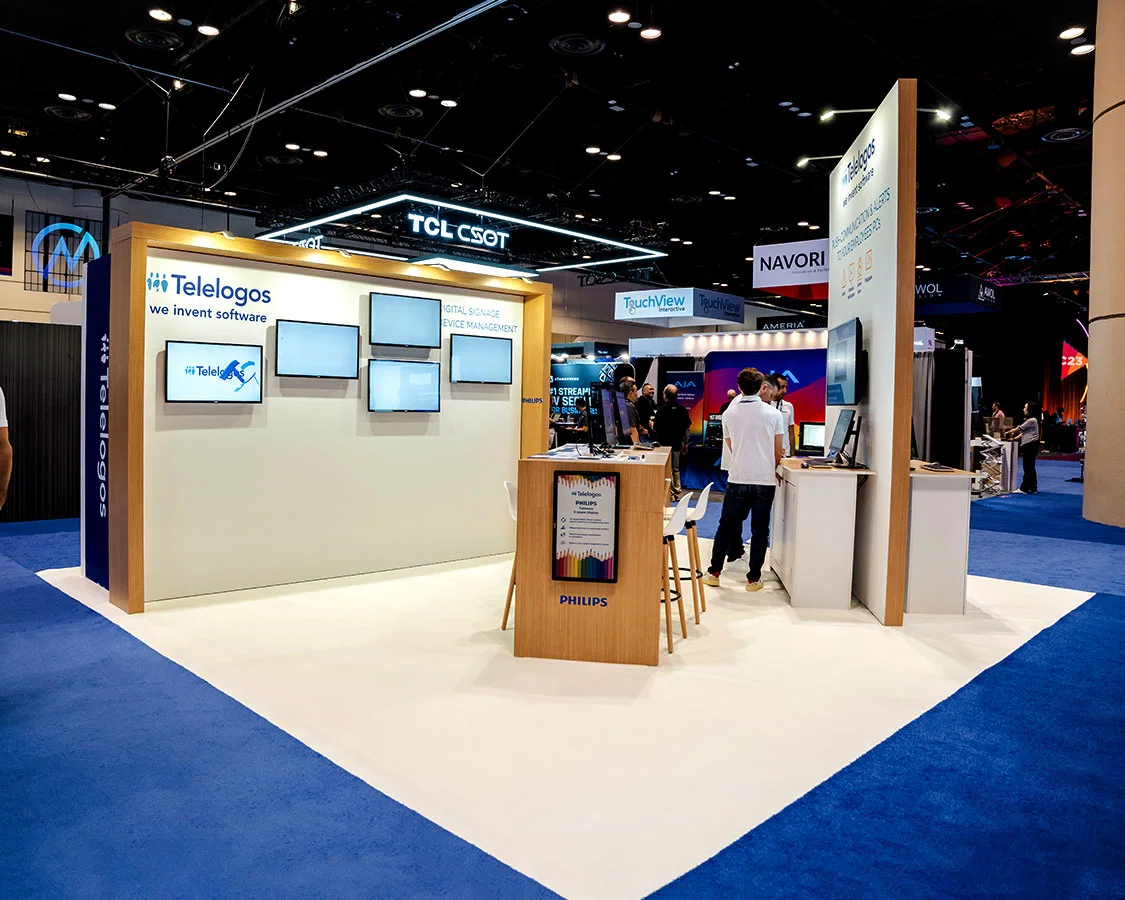
Exhibit Program Management
Exhibit Program Management: Use this when the program needs one accountable rhythm for scope, approvals, vendors, schedule, budget visibility, and post-show improvement.
Read moreMulti-Show Rollout Support
Multi-Show Rollout Support: Read this when the same booth system needs to appear across several dates or venues without the team relearning the process every time.
Read moreShow Site Supervision
Show Site Supervision: Use this for live show-floor control, issue triage, install accuracy, vendor coordination, and a clearer path through opening day.
Read moreExhibitor Logistics Coordination
Exhibitor Logistics Coordination: Read this when shipping, receiving, staging, service contractor coordination, and dismantle behavior need to be managed as one logistics path.
Read moreRegistration and Attendee Experience
Registration and Attendee Experience: Use this when registration, arrival, badge flow, sponsor visibility, and first-impression environments are central to the event experience.
Read moreLead Capture and Digital Engagement
Lead Capture and Digital Engagement: Read this for digital engagement, lead capture, interactive content, and screen-based experiences that have to work inside the physical booth.
Read moreVenue Operations Planning
Venue Operations Planning: Use this when venue documents, house services, utility routing, floor plans, and show-management rules need to be translated into a usable plan.
Read moreExecutive Stakeholder Reporting
Executive Stakeholder Reporting: Read this when leadership needs clearer project visibility, decision records, budget context, and post-show reporting instead of scattered updates.
Read moreCapabilities keep the work from drifting
Exhibit programs can drift when approvals, vendor orders, freight details, graphics, show forms, and stakeholder expectations live in separate conversations.
Capability planning creates a clearer system for those decisions. It gives the buyer a way to understand who owns the timeline, what has been decided, what still needs confirmation, and how the show team will respond when conditions change.
That control is especially valuable in Atlanta, where venue type and corridor can change the support model quickly.
Operational support is part of the brand experience
Visitors do not see the project calendar, but they do feel the consequences of weak coordination. Poor setup timing, unclear staff flow, missing graphics, awkward registration, or unresolved AV details can make a strong brand look unprepared.
Capability pages should connect those hidden workstreams to visible outcomes. Program management, supervision, logistics, lead capture, and venue operations all affect how composed the booth feels once the floor opens.
That is why these pages matter even when the buyer first thinks only about design. The exhibit experience depends on the systems behind it.
How to read capability pages
Start with the coordination pain point. If the calendar feels scattered, read program management. If the same booth needs to travel, read rollout support. If the concern is install execution, read show-site supervision or venue operations planning.
If the issue is visitor handling, registration, lead capture, or stakeholder reporting, the capability pages help translate that operational need into a more complete exhibit plan.
The pages work best when they are paired with a service or venue page. That combination turns a broad capability into a specific plan for the actual Atlanta event.
What good capability planning leaves behind
A well-run program should leave behind cleaner documentation, better reuse decisions, clearer reporting, and fewer unresolved questions before the next event.
That is especially important for multi-show calendars. The team should not have to rebuild the same process every time the booth appears in a new venue or event format.
A capability page is doing its job when it helps the buyer see the operating system, not simply the final booth. That is the difference between a one-time setup and a program that can improve over time.
Next move