
Booth Types
Booth Types in Atlanta
Compare Atlanta booth types by footprint behavior, visitor flow, fabrication complexity, storage needs, and reuse potential.
Booth type is a physical decision before it is a visual one. Inline, island, modular, portable, rental, and double-deck exhibits all change how people enter, where staff stand, how graphics read, and how much freight or labor the program needs.
Atlanta exhibitors often move between downtown convention halls, airport venues, hotel events, Cobb-area programs, and Gwinnett shows. A booth type that works beautifully in one setting may need adjustment in another.
These pages help buyers compare footprint choices without flattening them into a gallery of booth names. Each entry should explain how the format behaves under real show-floor pressure.
Use this section when the team knows roughly what kind of footprint or exhibit structure it wants. From there, the service pages can clarify design, fabrication, logistics, graphics, labor, and storage decisions.
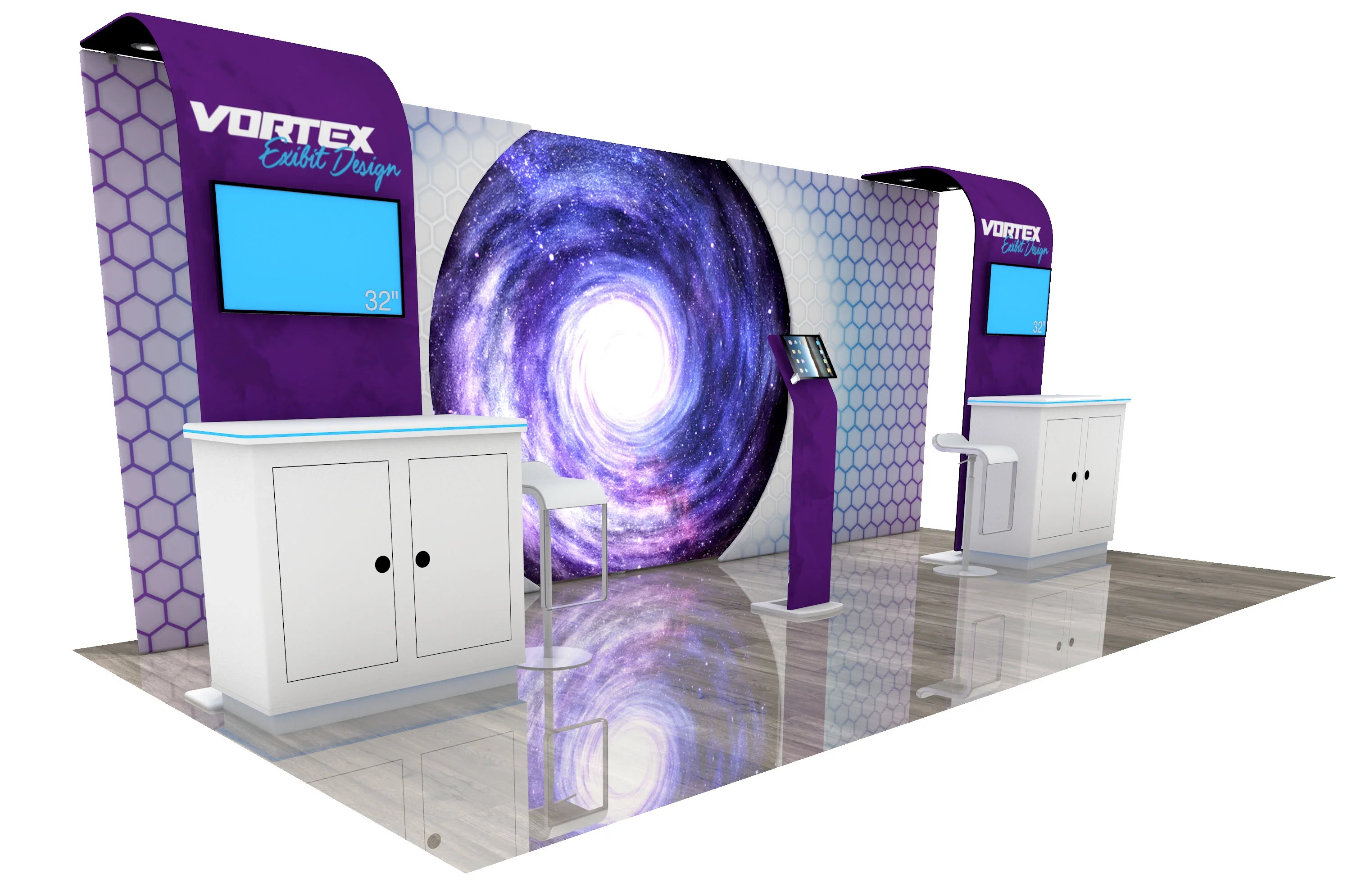
Inline Booth Displays
Inline Booth Displays: Use this when a front-facing booth needs disciplined graphics, fast recognition from the aisle, efficient staffing, and a clean setup path.
Read moreIsland Exhibit Booths
Island Exhibit Booths: Read this for island footprints where traffic enters from several sides and the plan must balance demos, storage, reception, and meeting space.
Read moreModular Trade Show Booths
Modular Trade Show Booths: Use this when the brand needs a reusable structure that can change graphics, scale, and support elements across several Atlanta events.
Read morePortable Trade Show Displays
Portable Trade Show Displays: Read this for portable systems that need to move quickly without looking underbuilt once the floor opens.
Read moreCustom Exhibit Booths
Custom Exhibit Booths: Use this when the booth should feel brand-specific enough to stand apart and structured enough to justify the freight, labor, and fabrication load.
Read moreDouble Deck Exhibits
Double Deck Exhibits: Read this before pursuing double-deck work, where engineering, approvals, logistics, access, and supervision need early attention.
Read moreRental Exhibit Booths
Rental Exhibit Booths: Use this when rental ownership economics make sense but the team still needs a booth that feels intentional, finished, and aligned with the brand.
Read moreConference Booth Displays
Conference Booth Displays: Read this for conference booths where meeting behavior, sponsor value, lighter footprints, and quicker resets often matter more than sheer scale.
Read moreFootprint choice shapes the whole program
An inline booth rewards clarity, restraint, and strong front-facing messaging. An island exhibit gives the brand more edges to manage, more visitor flow to control, and more opportunity for meeting areas, demos, and overhead presence.
Portable and rental systems can solve speed and cost problems, but they still need graphics discipline and realistic setup planning. Custom and double-deck work can create more impact, but they also raise the importance of engineering, approvals, freight, and labor sequencing.
A useful booth-type page should explain those tradeoffs directly. The buyer needs to understand what the format makes possible and what it will demand from the production plan.
Atlanta conditions affect booth format
Venue scale and access matter. GWCC-scale work may reward a stronger presence and clearer freight planning, while GICC, Cobb, Gas South, hotel, or activation settings may push the booth toward faster setup, lighter structure, or better modular control.
The booth type also changes how the team handles storage, repacking, refurbishment, and reuse. A system that travels across several Atlanta events should be designed for reset behavior, not only for the first open day.
The strongest booth pages connect format to operating reality. A footprint is not successful because it has a familiar label; it is successful because it supports the audience, venue, staff, and schedule.
What buyers should compare inside each booth type
Buyers should compare traffic flow, sightlines, demo needs, meeting privacy, product storage, graphics hierarchy, AV placement, and how many staff members can work the space without crowding.
They should also ask how the booth will be packed and rebuilt. Dismantle, refurbishment, and storage are part of the booth-type decision when the same assets need to survive more than one show.
That comparison turns a booth type into a planning tool. It helps the buyer decide whether the next page should be design, fabrication, rentals, logistics, or labor management.
How booth type connects to budget
Budget is not only the purchase or rental cost. It also includes freight, material handling, labor time, graphics changes, storage, repair, and the cost of making a format work in a venue that may not fit it naturally.
A simpler booth can be the smarter answer when speed, frequency, or venue constraints matter most. A more custom structure can be justified when the brand moment, reuse plan, or audience value supports the added complexity.
The booth-type section should help buyers make that decision with fewer assumptions. It should show where impact is worth the operational load and where a lighter system will protect the program better.
Next move